
Blog on RFID Technology and IoT Solutions
Blog Home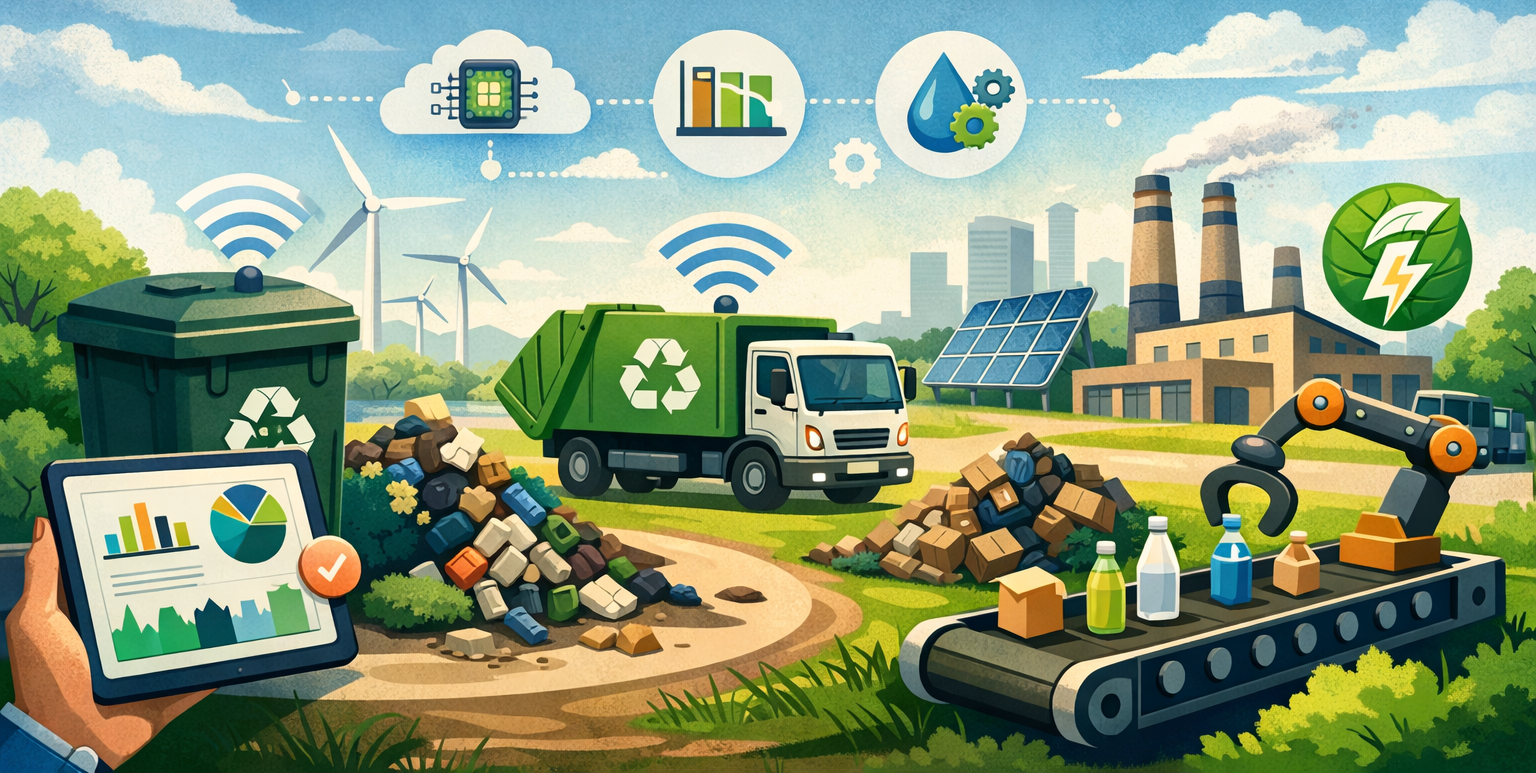
How IoT Supports Waste Reduction and Resource Efficiency
14 February 2026Introduction
As industries face increasing pressure to operate sustainably, reducing waste and using resources more efficiently has become a top priority. The Internet of Things (IoT) is emerging as a powerful enabler of sustainability by providing real-time visibility, automation, and data-driven insights across operations. From manufacturing and construction to agriculture and smart cities, IoT helps organizations minimize waste, optimize resource consumption, and lower environmental impact.
This blog explores how IoT supports waste reduction and resource efficiency, key applications across industries, and the long-term benefits of adopting IoT-driven sustainability strategies.
Understanding IoT in the Context of Sustainability
IoT refers to interconnected devices equipped with sensors, software, and connectivity that collect and exchange data. In sustainability-focused applications, these devices monitor the use of materials, energy, water, fuel, and other resources. By analyzing this data, organizations can identify inefficiencies, predict issues, and take corrective actions before waste occurs.
Key Ways IoT Reduces Waste and Improves Resource Efficiency
1. Real-Time Resource Monitoring
IoT sensors provide continuous tracking of resource consumption such as electricity, water, gas, and raw materials.
Impact:
- Immediate detection of leaks, overuse, or abnormal consumption
- Better control over daily operations
- Reduced unnecessary resource waste
Example: Smart water meters can identify leaks early, preventing thousands of liters of water from being wasted.
2. Predictive Maintenance to Prevent Material Waste
Equipment failures often result in wasted materials, energy loss, and unplanned downtime. IoT-enabled predictive maintenance uses sensor data to detect early signs of wear or malfunction.
Benefits:
- Prevents breakdown-related waste
- Extends equipment lifespan
- Reduces the need for emergency repairs and replacements
3. Optimized Inventory and Supply Chain Management
IoT technologies such as RFID tags and smart trackers provide real-time visibility into inventory levels and material movement.
How it helps:
- Prevents overproduction and over-ordering
- Reduces spoilage and expiration-related waste
- Improves demand forecasting accuracy
Use case: In manufacturing, IoT ensures raw materials are used efficiently and stored under optimal conditions.
4. Smart Waste Management Systems
IoT-enabled waste bins and sensors monitor fill levels, waste types, and collection schedules.
Advantages:
- Optimized waste collection routes
- Reduced fuel consumption and emissions
- Improved recycling and waste segregation
This approach is widely used in smart cities to reduce landfill waste and improve recycling rates.
5. Energy Efficiency and Smart Energy Management
Energy waste is a major contributor to operational costs and carbon emissions. IoT-based energy management systems track and optimize energy usage.
Applications:
- Smart lighting and HVAC systems that adjust based on occupancy
- Monitoring peak energy consumption
- Integrating renewable energy sources efficiently
Result: Lower energy bills and reduced carbon footprint.
6. Process Optimization Through Data Analytics
IoT-generated data provides insights into how processes consume resources. Advanced analytics and AI can identify inefficiencies and recommend improvements.
Outcomes:
- Reduced rework and defects
- Higher production efficiency
- Lower raw material waste
7. Environmental Monitoring and Compliance
IoT sensors monitor emissions, air quality, noise levels, and waste discharge in real time.
Why it matters:
- Ensures compliance with environmental regulations
- Prevents pollution incidents
- Supports transparent sustainability reporting
Industry-Specific Applications
Manufacturing
- Reducing scrap and defective products
- Optimizing machine usage
- Improving energy efficiency
Construction
- Minimizing material wastage on-site
- Efficient equipment usage
- Monitoring dust, noise, and emissions
Agriculture
- Precision irrigation to reduce water waste
- Optimized fertilizer and pesticide usage
- Improved crop yield with fewer resources
Smart Cities
- Intelligent waste collection
- Energy-efficient public infrastructure
- Reduced water and fuel waste
Benefits of IoT-Driven Waste Reduction
- Lower operational costs
- Reduced environmental impact
- Improved regulatory compliance
- Enhanced brand reputation and ESG performance
- Data-backed sustainability decision-making
Challenges to Consider
While IoT offers significant sustainability benefits, organizations may face challenges such as:
- High initial implementation costs
- Data security and privacy concerns
- Integration with existing systems
- Need for skilled workforce and change management
Addressing these challenges with proper planning and scalable solutions is essential for long-term success.
Best Practices for Implementing IoT for Sustainability
- Start with high-impact areas like energy or waste monitoring
- Use scalable and interoperable IoT platforms
- Combine IoT with AI and analytics for deeper insights
- Train teams on data-driven decision-making
- Track and report sustainability metrics consistently
The Future of IoT in Sustainable Resource Management
As technologies like AI, digital twins, and 5G continue to evolve, IoT will play an even greater role in building circular economies and net-zero operations. Real-time intelligence combined with automation will enable organizations to use fewer resources while delivering greater value.
Conclusion
IoT is transforming how organizations approach waste reduction and resource efficiency. By enabling real-time monitoring, predictive insights, and smarter decision-making, IoT helps businesses operate more sustainably while improving profitability. Organizations that embrace IoT today are better positioned to meet future environmental, regulatory, and economic challenges.
- Intellistride.com
- Blog
- How IoT Supports Waste Reduction and Resource Efficiency