
Blog on RFID Technology and IoT Solutions
Blog Home
Most of us know AI as something that lives on a screen. A plant manager in Pune or a warehouse head in Gurugram needs to know where a critical tool is, why a line stopped, and how to prevent the next breakdown.That is the promise of Physical AI: intelligence that leaves the screen and works
Read more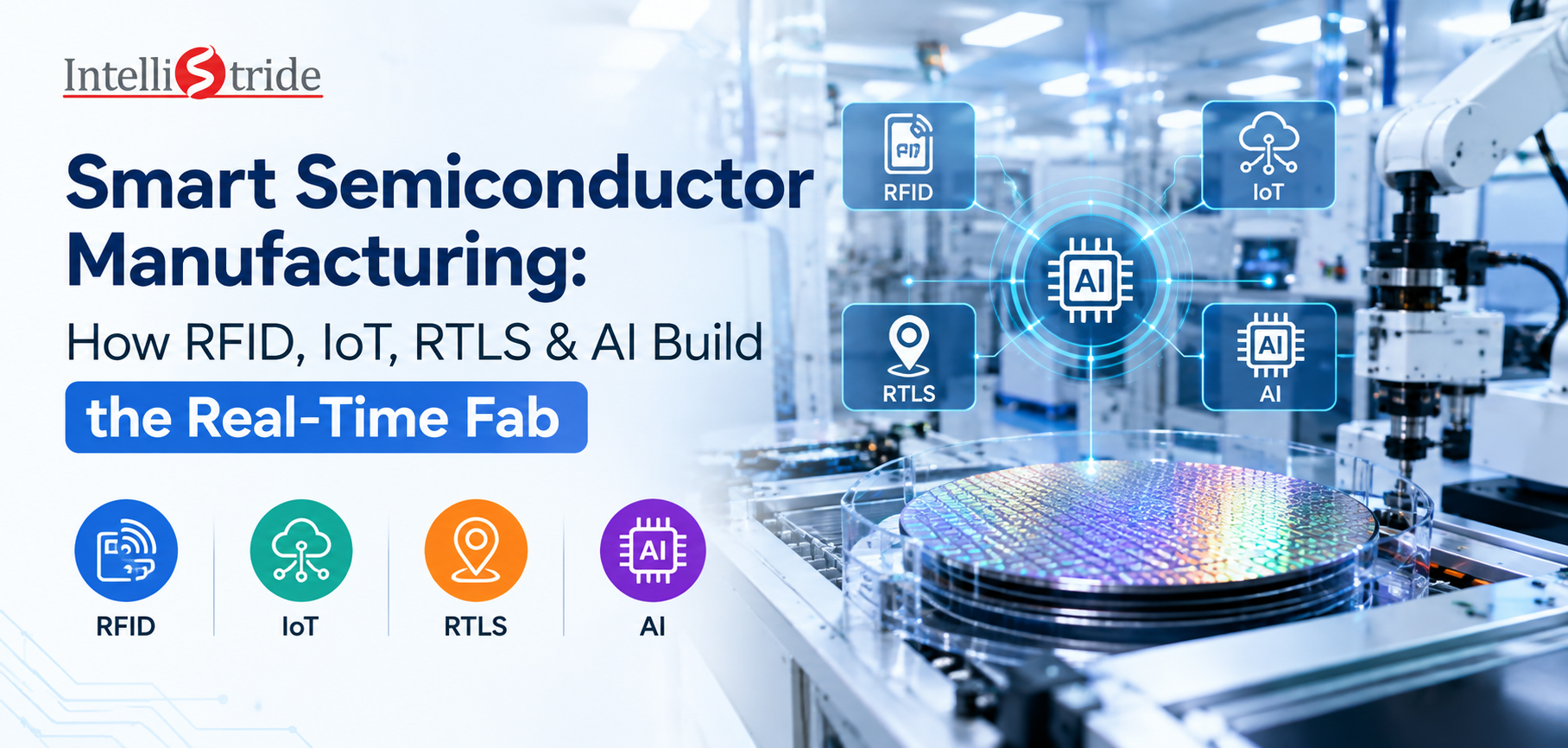
Semiconductor manufacturing runs on sub-micron tolerances, cleanroom-grade contamination control and thousands of process steps per wafer lot. Yet on many fab floors, the physical world is still tracked by manual scans, phone calls and spreadsheets. This guide explains how RFID, IoT sensing, Real-Time Location Systems (RTLS) and AI close that gap, and how to start
Read more
The Cost of the QueuePicture this: a freight truck carrying time-sensitive cargo approaches a toll plaza during peak hour. The FASTag lane is backed up, the cash lane is worse, and the driver crawls through at 10 km/h behind a dozen other vehicles. Multiply that truck by the thousands crossing that plaza every day, and
Read more
Somewhere between a factory in Basel and a bedside in Bengaluru, a vaccine can die and no one notices — until a patient doesn’t respond to a dose that was never really “alive” to begin with. That is the quiet, unglamorous crisis running underneath the world’s medicine supply.Counterfeit drugs, broken cold chains and blind spots
Read more
Picture this: a ground crew spends twenty minutes hunting for a missing GPU (ground power unit) while a fully boarded aircraft sits idle on the tarmac. A maintenance technician signs off on an inspection because the schedule is too tight to do it properly. A bag disappears somewhere between check-in and baggage claim, and nobody
Read more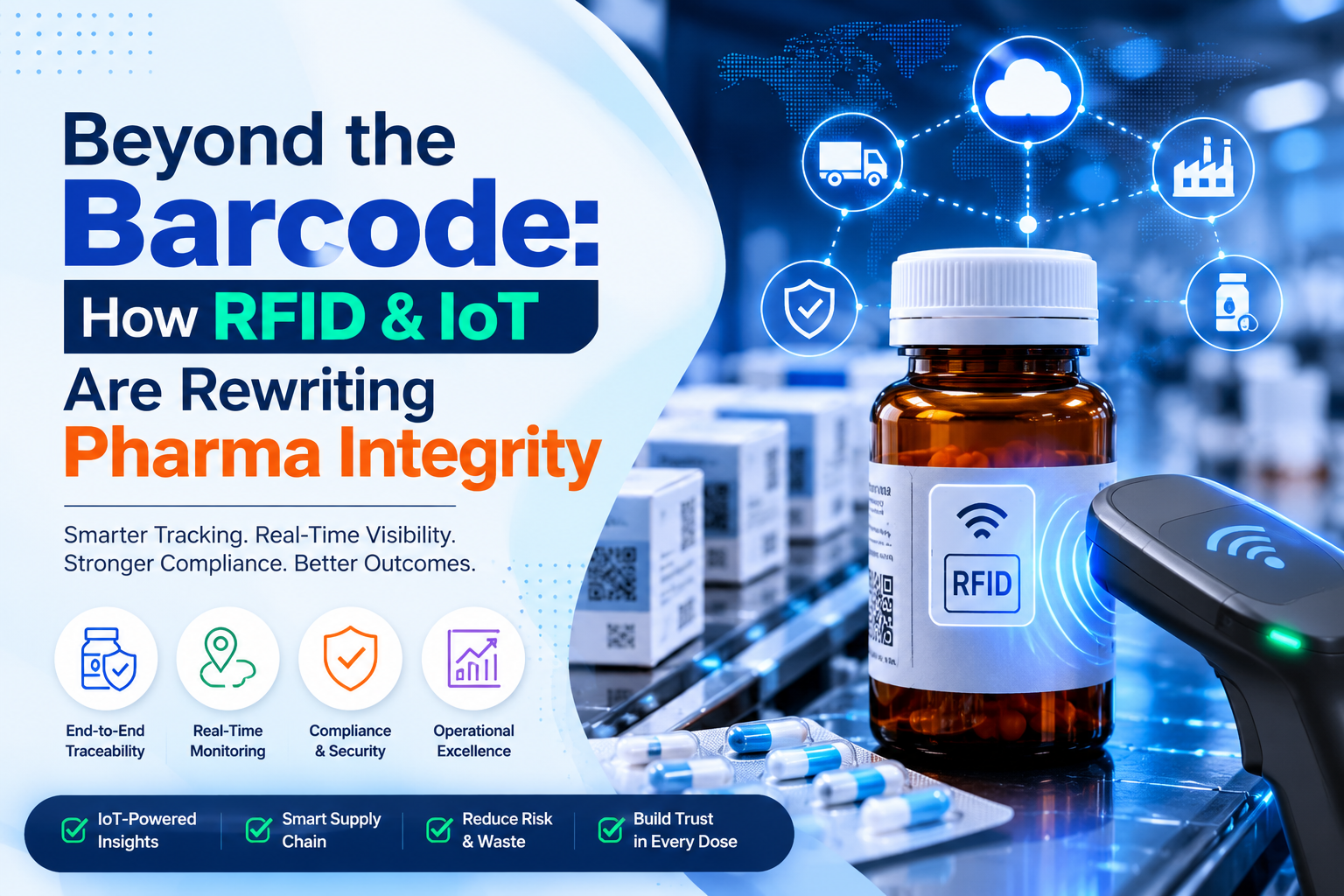
One missing pallet can cost more than money — it can cost patient safety. Here’s why the industry is racing past legacy tracking, and what a smarter supply chain actually looks like.The Cost of a Missing PalletPicture this: a pallet of temperature-sensitive oncology drugs leaves the distribution centre. Somewhere between the loading dock and the
Read more