
Blog on RFID Technology and IoT Solutions
Blog Home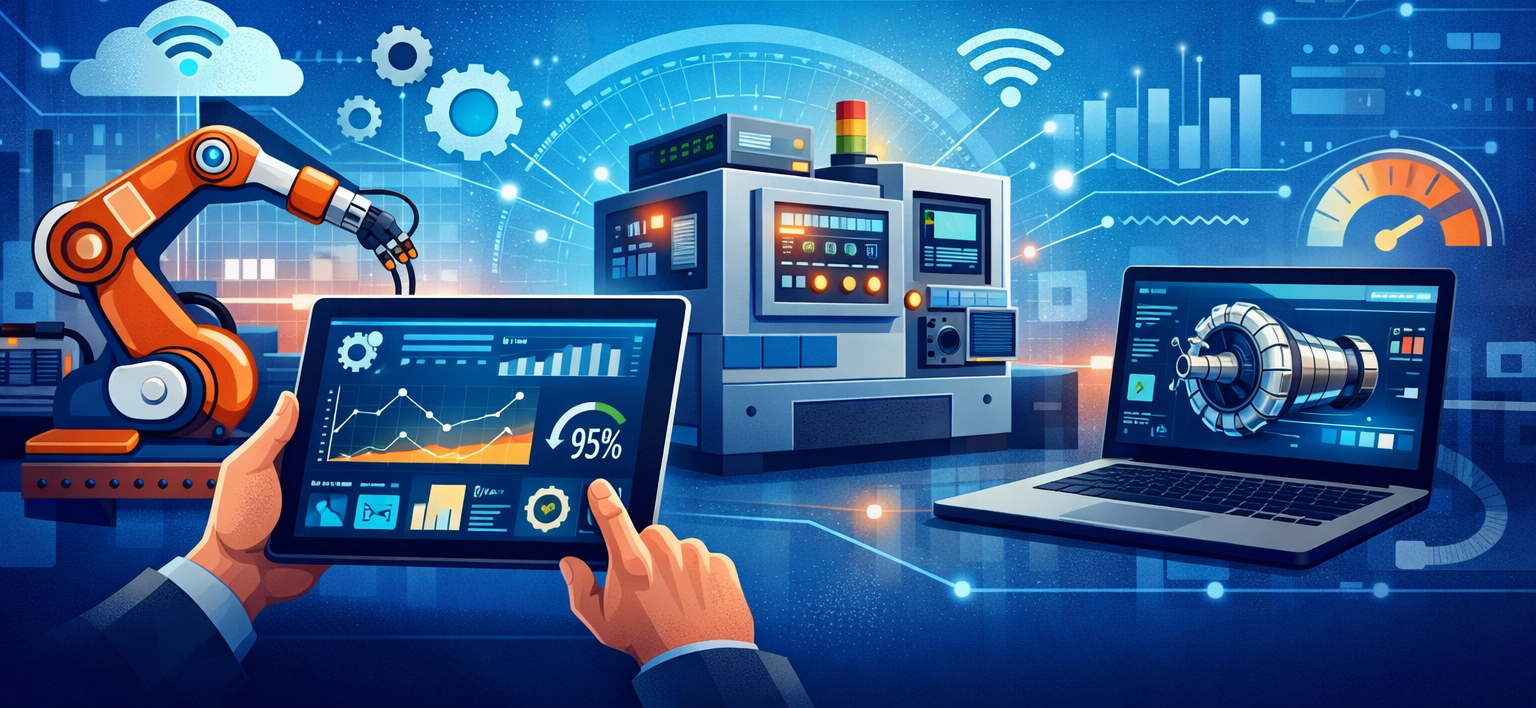
How IoT Machine Monitoring Systems Enable Real-Time Operational Efficiency
20 April 2026In today’s fast-paced industrial landscape, operational efficiency is no longer a luxury—it’s a necessity. Businesses are under constant pressure to reduce downtime, optimize performance, and improve productivity while maintaining cost efficiency. This is where IoT (Internet of Things) machine monitoring systems come into play.
By connecting machines, sensors, and software into a unified ecosystem, IoT enables real-time visibility into operations. This allows organizations to make faster, smarter decisions and transform traditional processes into intelligent, data-driven workflows.
What Are IoT Machine Monitoring Systems?
IoT machine monitoring systems use connected sensors and devices to collect and transmit data from machines in real time. These systems typically include:
- Sensors (temperature, vibration, pressure, etc.)
- Connectivity (Wi-Fi, cellular, or industrial networks)
- Cloud or edge computing platforms
- Analytics and dashboards
The data collected is analyzed to provide actionable insights about machine performance, usage patterns, and potential issues.
Key Ways IoT Enables Real-Time Operational Efficiency
1. Real-Time Data Visibility
One of the biggest advantages of IoT monitoring is instant access to machine data. Operators and managers can:
- Track performance metrics live
- Monitor production rates
- Identify inefficiencies as they occur
This eliminates the need for manual inspections and delayed reporting, enabling immediate action.
2. Predictive Maintenance
Traditional maintenance strategies rely on fixed schedules or reactive repairs. IoT transforms this with predictive maintenance.
- Sensors detect anomalies such as unusual vibrations or temperature spikes
- Algorithms predict potential failures before they occur
- Maintenance is performed only when needed
Result: Reduced downtime, lower maintenance costs, and extended equipment lifespan.
3. Reduced Downtime
Unplanned downtime can be extremely costly. IoT systems help minimize it by:
- Sending real-time alerts when issues arise
- Identifying root causes quickly
- Enabling remote troubleshooting
This ensures faster recovery and keeps operations running smoothly.
4. Improved Asset Utilization
IoT monitoring provides insights into how machines are actually being used.
- Identify underutilized equipment
- Optimize production schedules
- Balance workloads across machines
This leads to better resource allocation and increased productivity.
5. Enhanced Quality Control
Maintaining consistent product quality is crucial. IoT systems help by:
- Monitoring critical parameters during production
- Detecting deviations instantly
- Triggering corrective actions in real time
This reduces defects and ensures higher quality output.
6. Data-Driven Decision Making
IoT platforms collect vast amounts of data that can be analyzed to uncover trends and patterns.
- Identify bottlenecks in processes
- Optimize workflows
- Improve overall operational strategy
With data-backed insights, businesses can make more informed decisions instead of relying on guesswork.
7. Remote Monitoring and Control
IoT enables operators to monitor machines from anywhere via dashboards or mobile apps.
- Access real-time updates remotely
- Control systems without being on-site
- Improve response times
This is especially valuable for companies managing multiple locations or facilities.
Benefits Across Industries
IoT machine monitoring systems are transforming multiple sectors:
- Manufacturing: Streamlined production and reduced downtime
- Energy: Efficient resource management and predictive maintenance
- Healthcare: Monitoring of critical equipment performance
- Logistics: Real-time tracking and fleet optimization
Challenges to Consider
While IoT offers numerous benefits, there are some challenges:
- Data security and privacy concerns
- Integration with legacy systems
- Initial implementation costs
- Need for skilled workforce
However, with proper planning and strategy, these challenges can be effectively managed.
Future of IoT in Operational Efficiency
The future of IoT machine monitoring is promising, with advancements such as:
- AI-powered analytics
- Edge computing for faster processing
- 5G connectivity for real-time data transfer
- Digital twins for simulation and optimization
These innovations will further enhance real-time decision-making and operational efficiency.
Conclusion
IoT machine monitoring systems are revolutionizing the way businesses operate. By providing real-time insights, enabling predictive maintenance, and improving overall visibility, these systems empower organizations to achieve higher efficiency, reduce costs, and stay competitive in an increasingly digital world.
Adopting IoT is no longer just a technological upgrade—it’s a strategic move toward smarter, more efficient operations.
- Intellistride.com
- Blog
- How IoT Machine Monitoring Systems Enable Real-Time Operational Efficiency