
Blog on RFID Technology and IoT Solutions
Blog Home
In the ever-evolving landscape of urban development, the integration of technology plays a pivotal role in addressing the challenges associated with traffic management. Embedded sensors, a key component of smart infrastructure, are at the forefront of transforming conventional traffic management systems into intelligent networks. This blog explores how embedded sensors are reshaping the future of
Read more
Understanding the Basics of EASWhat is Electronic Article Surveillance?Electronic Article Surveillance (EAS) is a technology used in retail and libraries to prevent theft and unauthorized removal of items. It typically involves attaching EAS tags or labels to products, which are then deactivated at the point of sale or checkout. If a tagged item is taken
Read more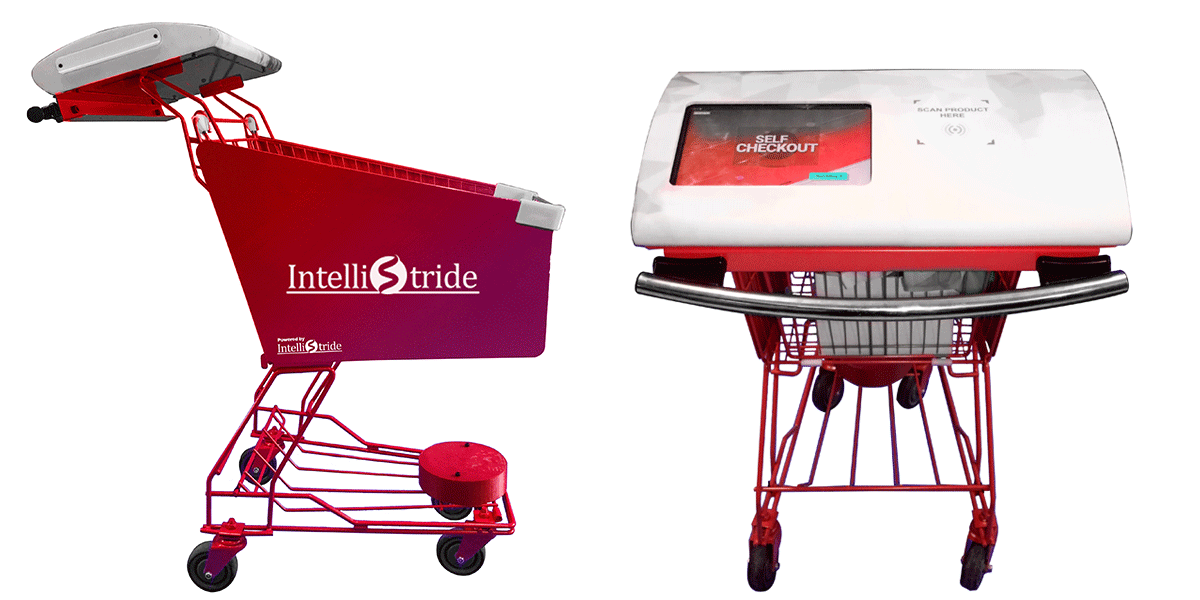
The retail landscape is rapidly evolving, and the future is looking smart—literally Smart trolleys, also known as smart shopping carts, are ushering in a new era of retail, and they come packed with features that promise to transform the way we shop. In this article, we’ll explore the exciting world of smart trolleys, highlighting their
Read more
In today’s fast-paced world, retailers are constantly seeking ways to enhance the shopping experience for their customers and streamline their operations. One technology that has been transforming the retail landscape is Electronic Shelf Labels (ESLs). These small, digital price tags have a profound impact on the way retailers operate and how consumers shop. In this
Read more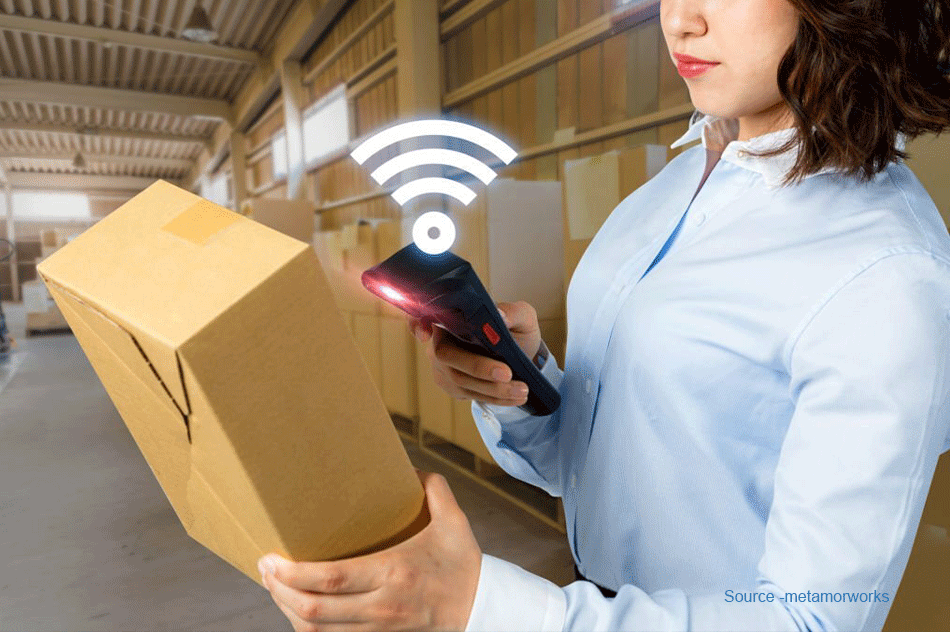
Unlocking the Power of RFID Technology in BusinessRadio Frequency Identification (RFID) technology, often heralded as the future of identification and tracking, is transforming the way businesses operate. By harnessing the power of radio waves, RFID technology enables the identification and tracking of objects, products, assets, and even people from a distance. But what makes RFID
Read more
Introduction of IoT HardwareIn our increasingly digital and interconnected world, the Internet of Things (IoT) has emerged as a transformative force, revolutionizing the way we live, work, and interact with our environment. At the heart of this technological revolution lies IoT hardware, the unsung heroes that enable everyday objects to become intelligent, connected, and capable
Read more
Introduction to Blockchain Technology in Supply Chain ManagementBlockchain technology represents a decentralized ledger system that facilitates secure, transparent, and tamper-resistant transactions. In the realm of supply chain management, blockchain finds application in establishing an unchangeable log of all transactions and engagements among supply chain stakeholders. This encompasses the entire journey from the inception of raw
Read more
RFID (Radio-Frequency Identification) technology has quietly transformed our daily lives, making processes more efficient, secure, and convenient. From supply chains to healthcare and beyond, RFID is revolutionizing how we interact with the world around us. In this blog, we’ll explore the myriad ways in which RFID technology is reshaping our everyday experiences.What Is RFID Technology?Before
Read more
The Big question today is: how the Internet of Things (IoT) is transforming industries and businesses in Singapore. Whether you’re in manufacturing, logistics, cold chain, healthcare, or smart cities, IoT can drive efficiency, innovation, and growth. However, harnessing the power of IoT begins with selecting the right solutions provider. With numerous options available, finding the
Read more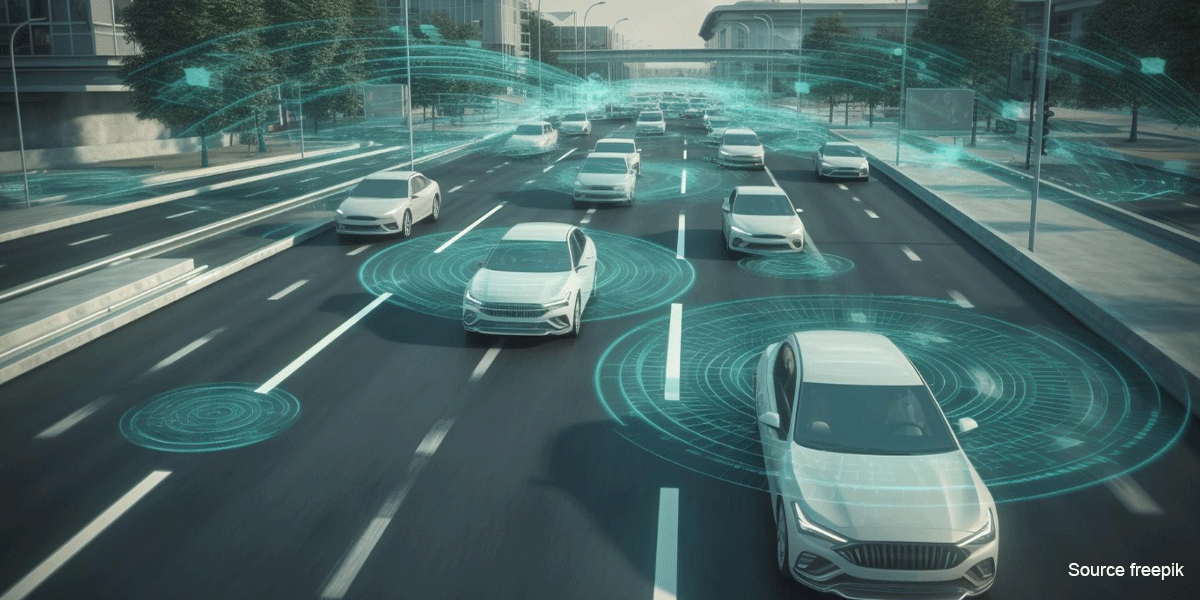
Overview of Intelligent Transportation SystemsFrom the perspective of intelligent transportation systems, daily travel presents a series of challenges that extend beyond personal inconvenience. Traffic congestion delayed public transportation, and the struggle to find parking spaces illustrate broader inefficiencies in our transportation networks.These challenges aren’t just bothersome for individuals; they have far-reaching implications for the economy,
Read more