
Blog on RFID Technology and IoT Solutions
Blog Home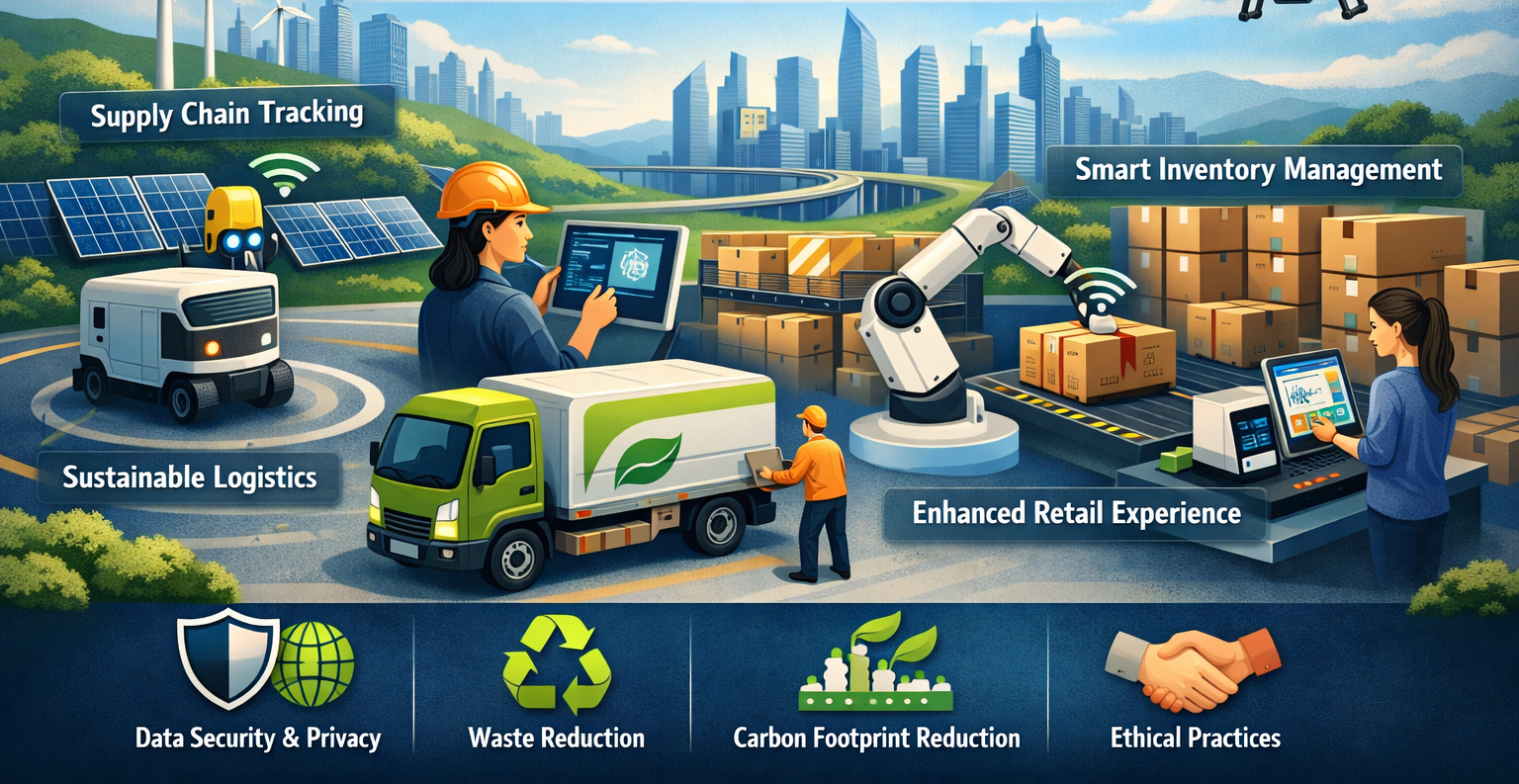
In 2026, the modern business landscape is defined not just by profits but by responsibility, transparency, and sustainability. Stakeholders—customers, investors, and regulators—expect companies to operate ethically, manage resources efficiently, and provide full visibility into their operations. One of the most powerful technologies enabling these goals is RFID (Radio Frequency Identification).RFID has evolved far beyond simple
Read more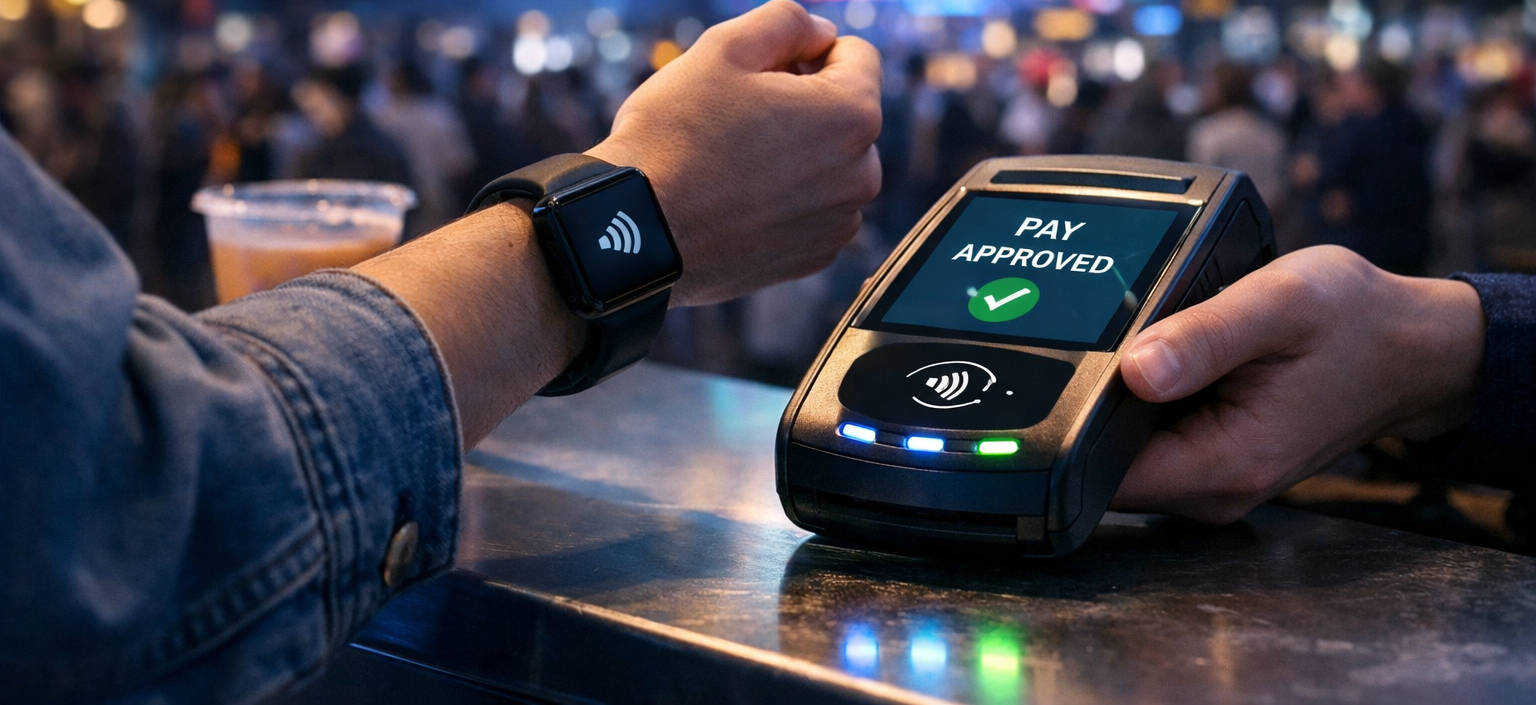
The way we pay for goods and services is undergoing a profound transformation. In 2026, RFID (Radio Frequency Identification) cashless solutions are at the forefront of this shift, offering faster, more secure, and more convenient payment methods than ever before. From retail stores and public transport systems to healthcare facilities and stadiums, RFID technology is
Read more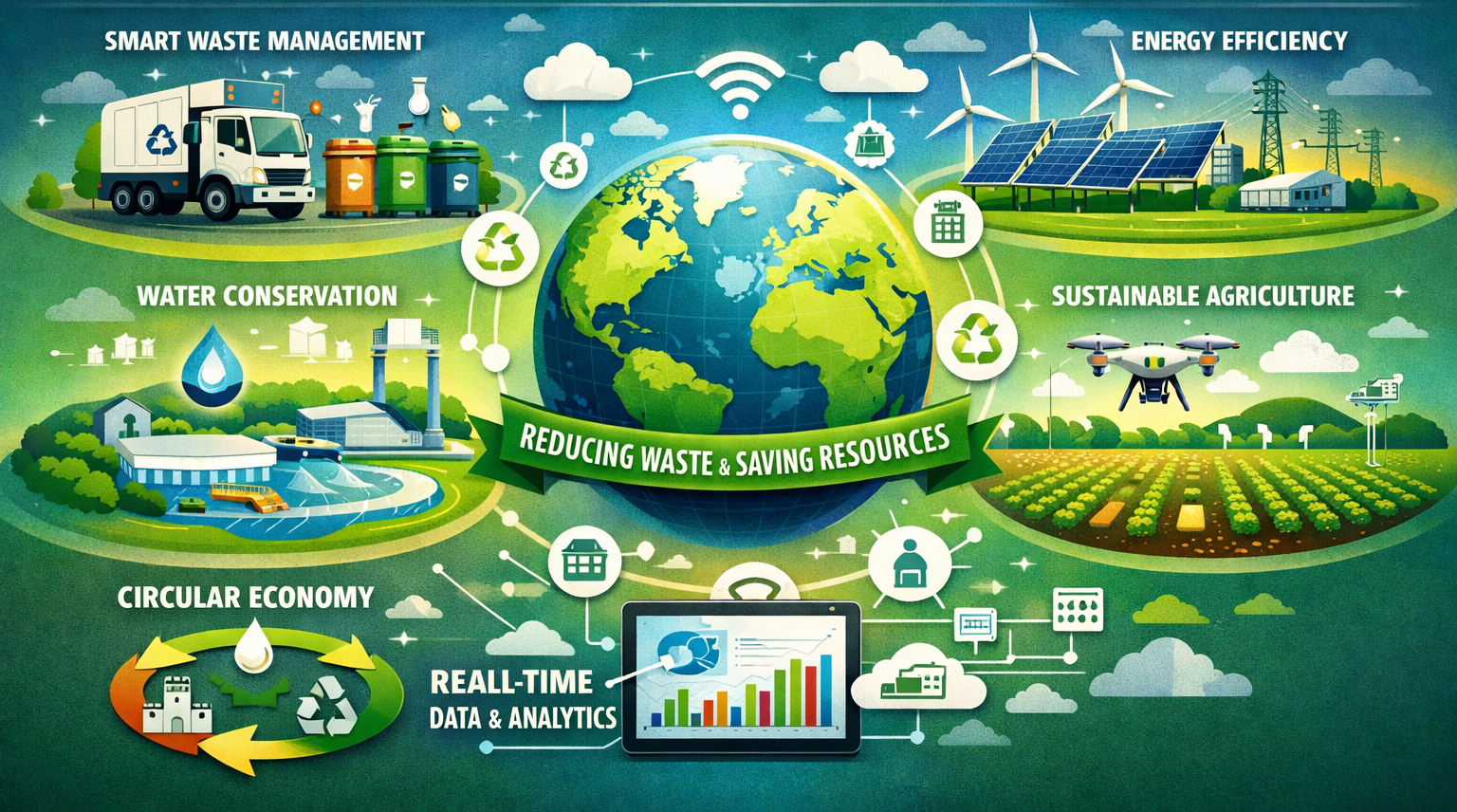
In 2026, sustainability is no longer just a corporate buzzword—it’s a strategic imperative. Businesses, cities, and industries are under increasing pressure to reduce their environmental footprint while optimizing operational efficiency. The Internet of Things (IoT) is emerging as a powerful tool in this mission, enabling organizations to monitor resources, minimize waste, and make smarter decisions
Read more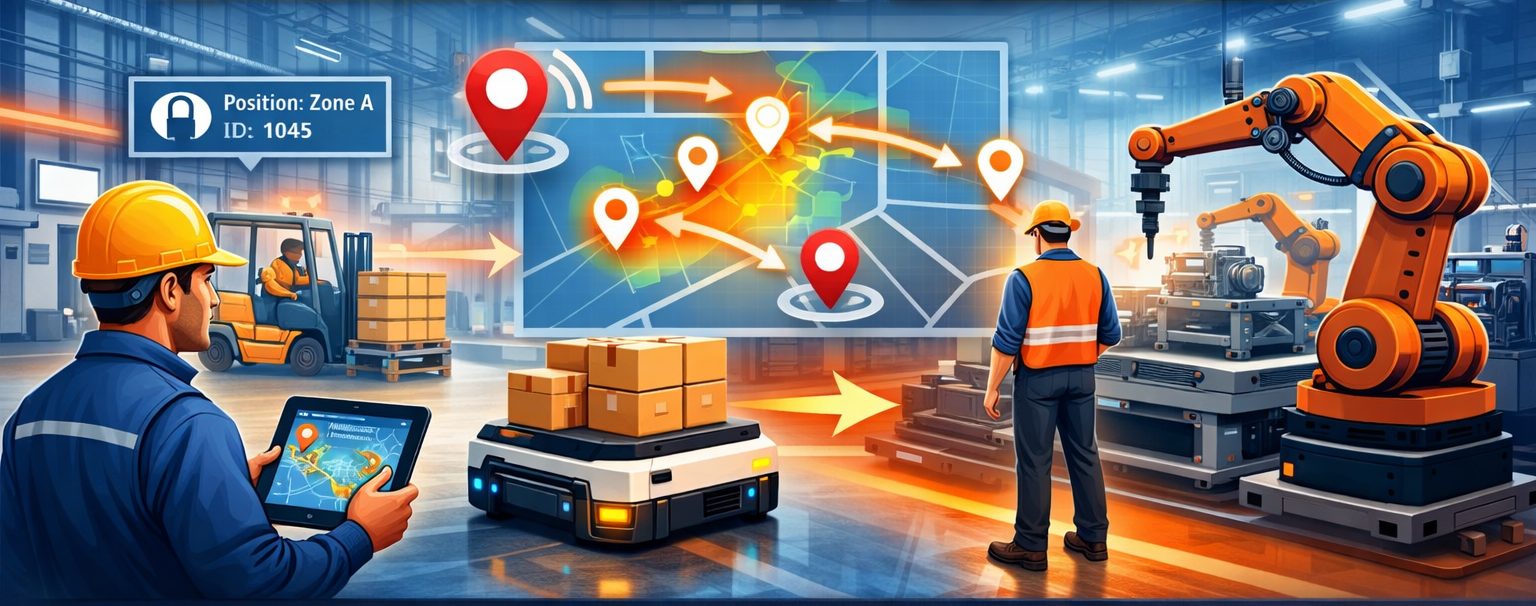
IntroductionIn today’s competitive manufacturing environment, efficiency, safety, and asset utilization are critical for success. Real-Time Location Systems (RTLS) have emerged as a transformative technology that enables manufacturers to track and manage assets, personnel, and materials with precision. By providing real-time visibility across the facility, RTLS improves operational performance, reduces costs, and enhances safety.This blog explores
Read more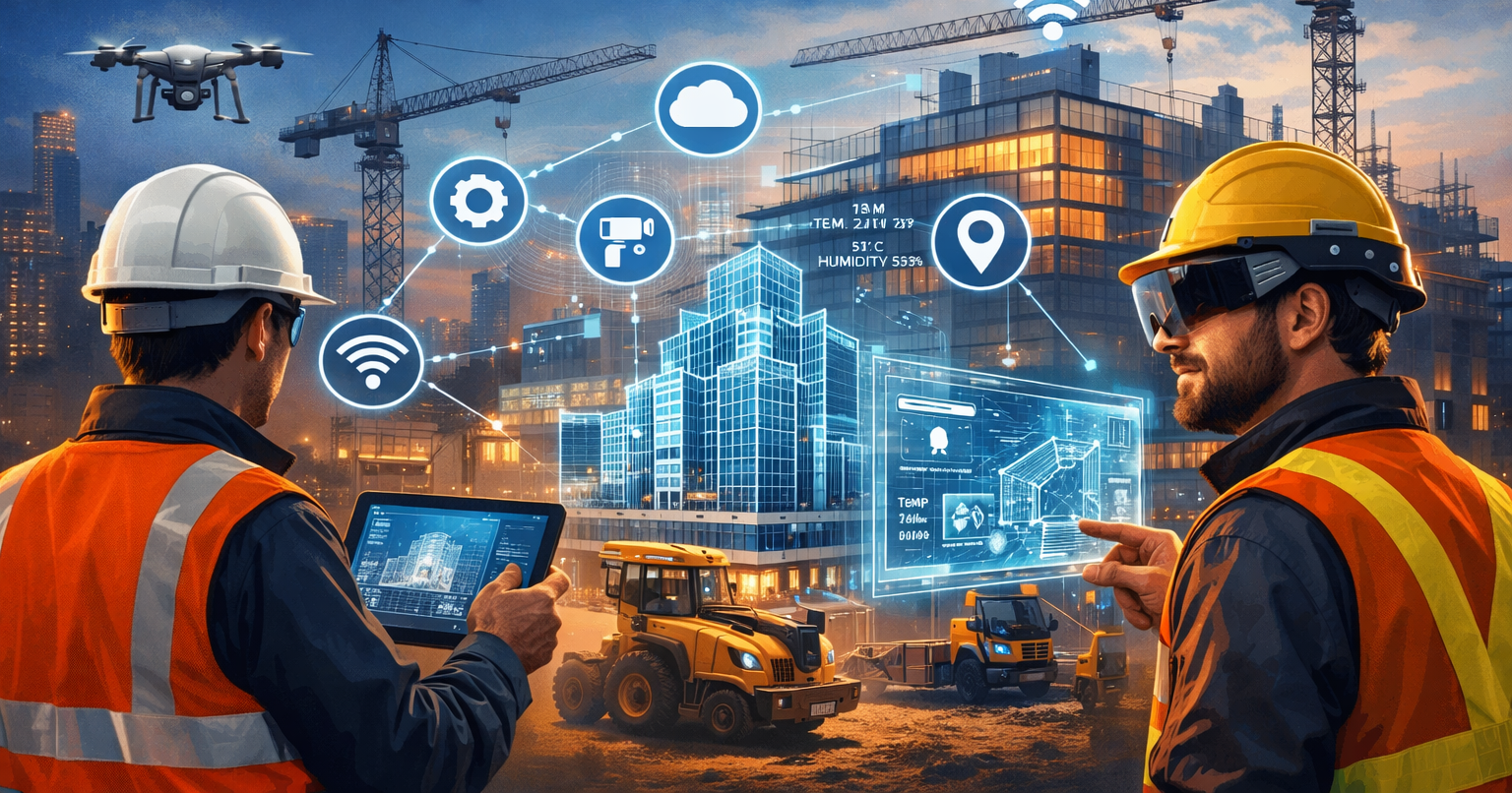
The construction industry has traditionally been associated with labour-intensive work, complex logistics, and a high risk of delays or cost overruns. However, in 2026, a technological revolution is reshaping the way buildings are designed, managed, and constructed. At the heart of this transformation is the Internet of Things (IoT), which is turning traditional construction sites
Read more
IntroductionSustainability and responsible business practices are no longer optional—they are critical for long-term growth and reputation. In this context, Radio Frequency Identification (RFID) technology has emerged as a powerful tool to drive efficiency, reduce waste, and enhance transparency across supply chains and operations. By providing real-time data and actionable insights, RFID enables companies to optimize
Read more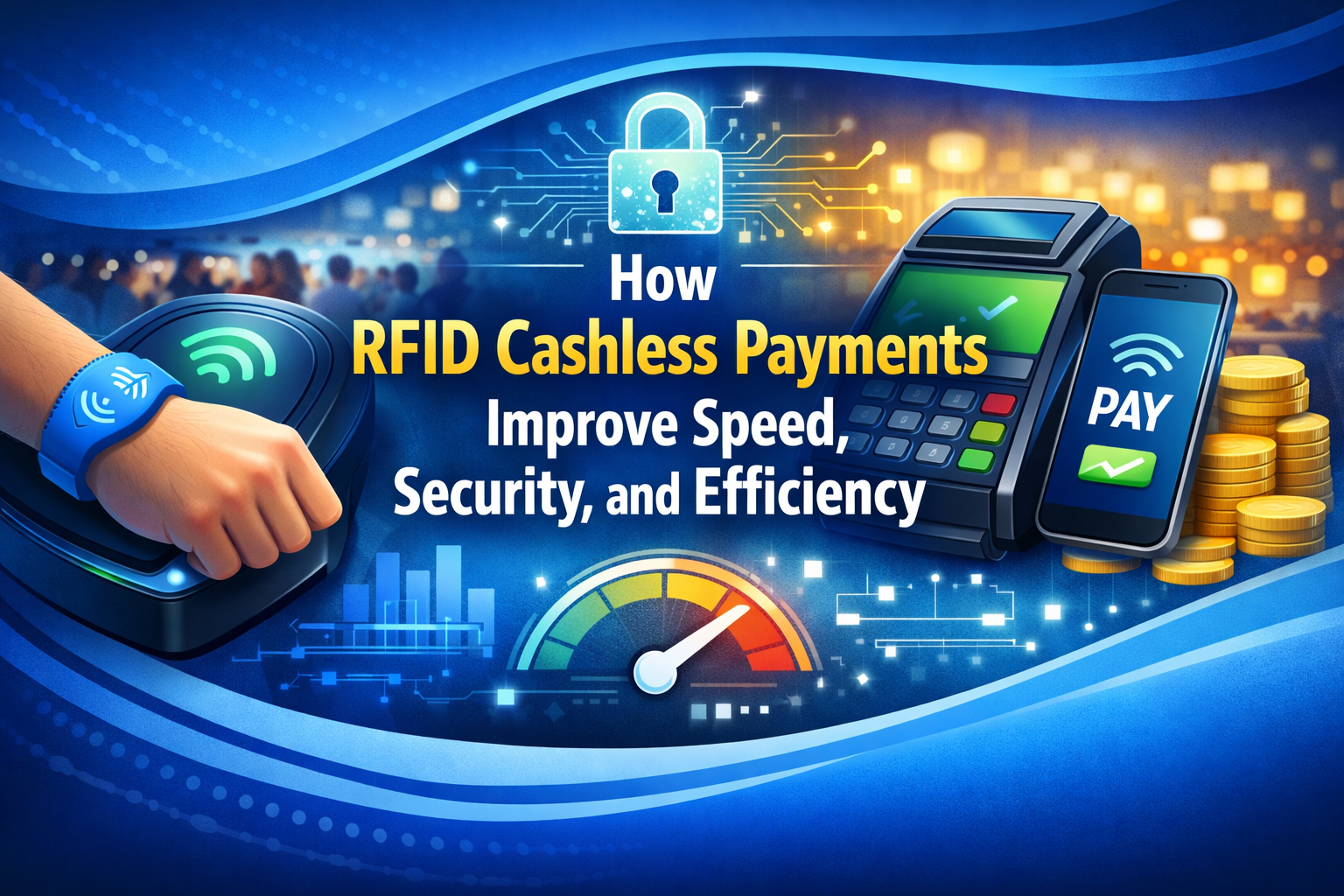
IntroductionThe world is moving rapidly towards cashless transactions, and Radio Frequency Identification (RFID) technology is at the forefront of this transformation. From retail and transportation to events and hospitality, RFID cashless payments are revolutionizing the way people pay, offering unmatched speed, security, and operational efficiency.In this blog, we explore how RFID-based cashless payment systems work,
Read more
IntroductionAs industries face increasing pressure to operate sustainably, reducing waste and using resources more efficiently has become a top priority. The Internet of Things (IoT) is emerging as a powerful enabler of sustainability by providing real-time visibility, automation, and data-driven insights across operations. From manufacturing and construction to agriculture and smart cities, IoT helps organizations
Read more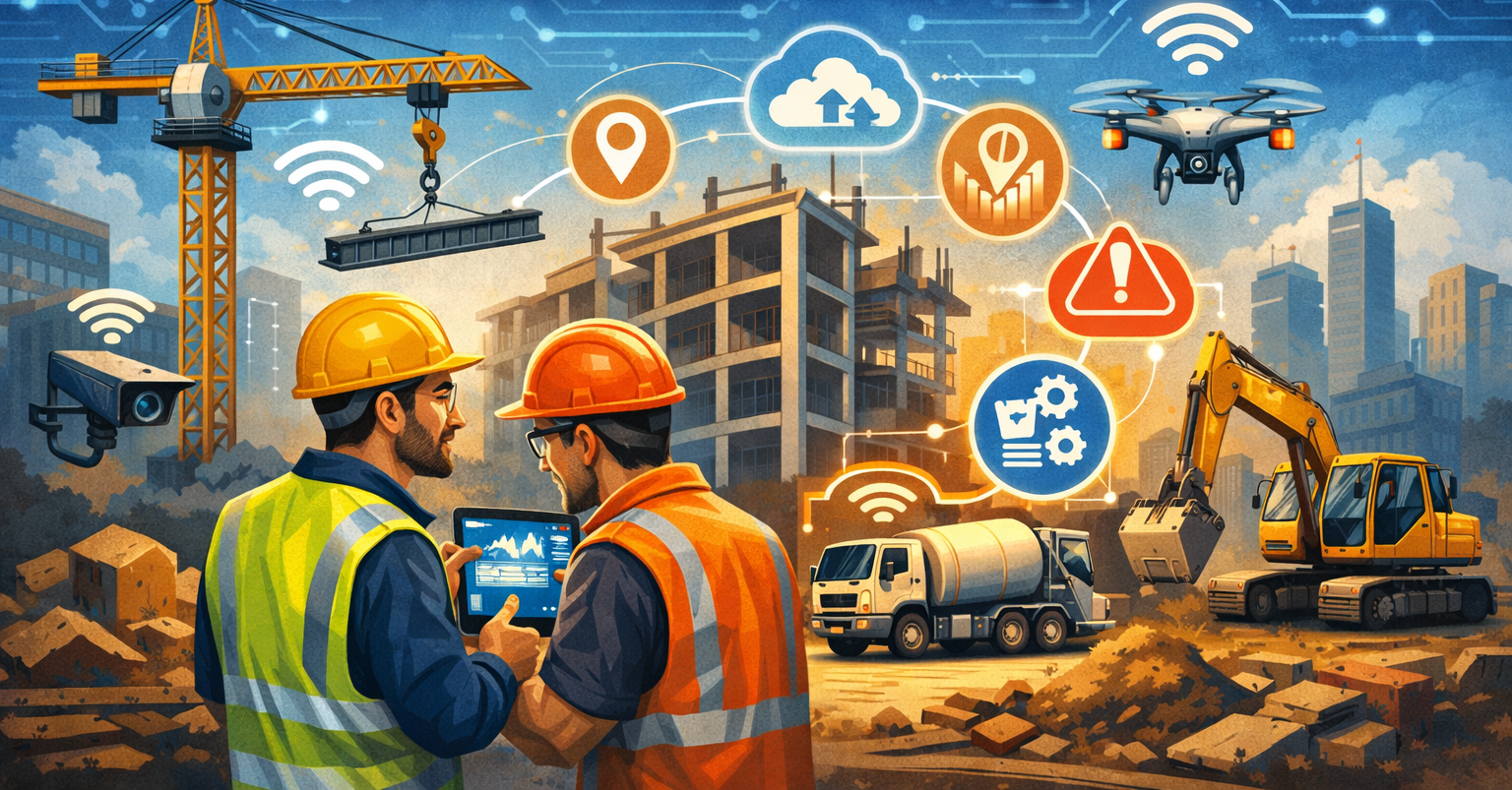
IntroductionThe construction industry has traditionally been slow to adopt digital technologies, but this is rapidly changing. One of the most transformative technologies driving this change is the Internet of Things (IoT). By connecting equipment, materials, workers, and sites through sensors and smart devices, IoT is helping construction companies improve efficiency, safety, cost control, and decision-making.In
Read more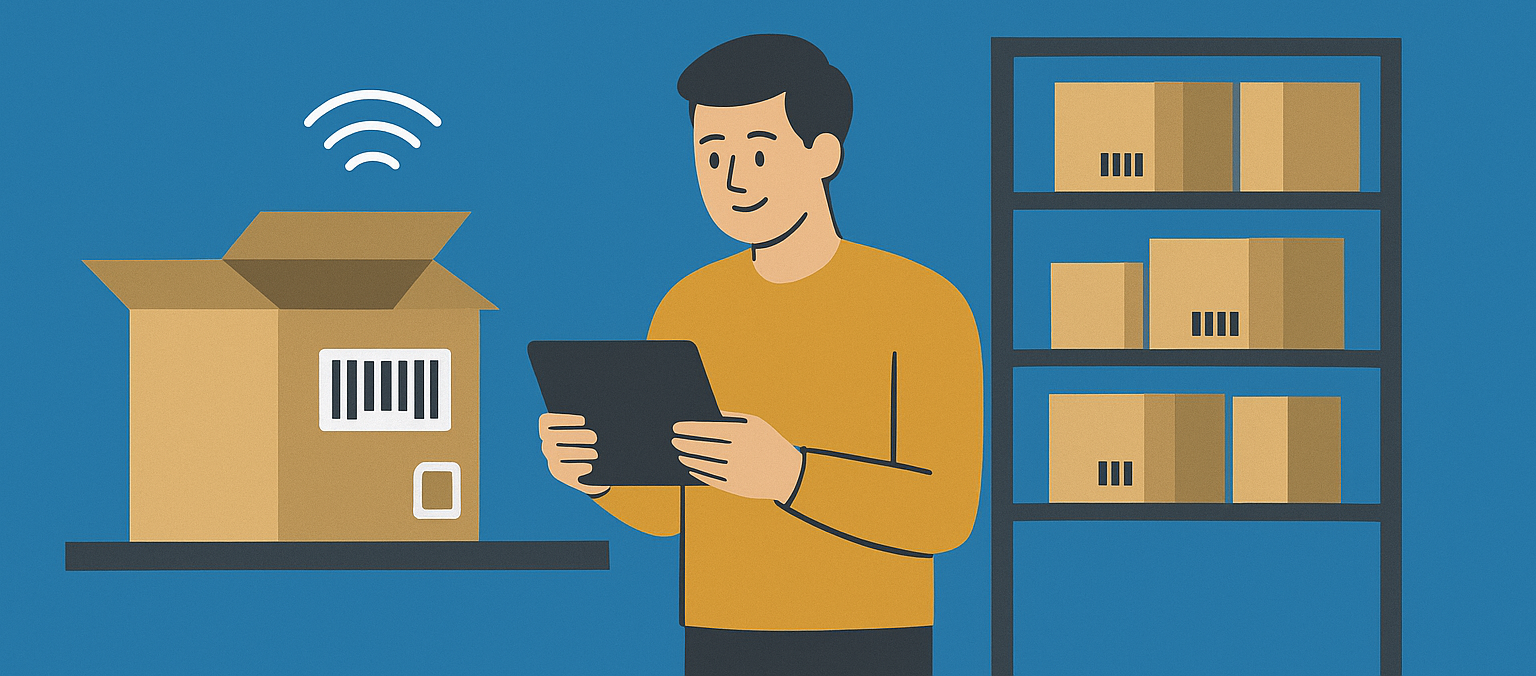
RFID technology was once considered expensive—something only global retailers or manufacturers could integrate. But today, budget-friendly RFID solutions have opened the doors for small businesses, startups, and independent warehouses to digitize inventory without breaking the bank.Why RFID Is a Game-ChangerRFID lets businesses track items automatically, without line-of-sight scanning like barcodes. A box of goods can
Read more