
Blog on RFID Technology and IoT Solutions
Blog Home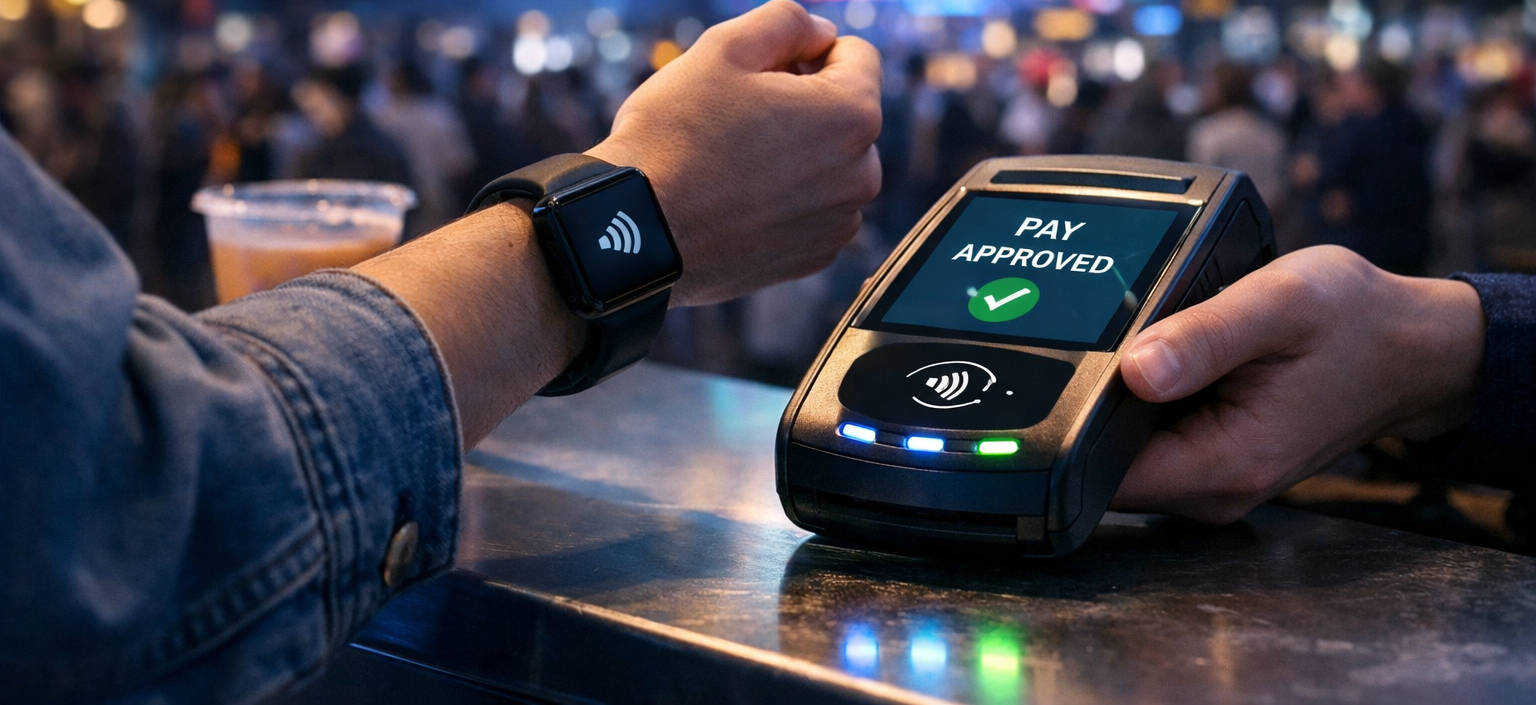
The Future of Payments: How RFID Cashless Solutions are Transforming Transactions in 2026
24 March 2026The way we pay for goods and services is undergoing a profound transformation. In 2026, RFID (Radio Frequency Identification) cashless solutions are at the forefront of this shift, offering faster, more secure, and more convenient payment methods than ever before. From retail stores and public transport systems to healthcare facilities and stadiums, RFID technology is redefining transactions and shaping the future of the global payments ecosystem.
This evolution is not merely about convenience—it is a strategic move toward efficiency, security, and digital integration in a world where cash is increasingly becoming obsolete.
Understanding RFID Cashless Payments
RFID technology enables contactless transactions using wireless radio signals. Unlike traditional magnetic stripe or chip-and-PIN cards, RFID devices can transmit payment information simply by being near a reader. These devices include smart cards, wristbands, key fobs, and even mobile devices embedded with RFID chips.
When a user taps or hovers their RFID-enabled device near a reader, the transaction is processed almost instantly. This reduces waiting times, eliminates the need for cash, and ensures a frictionless checkout experience.
RFID payments rely on secure encryption protocols, ensuring that sensitive financial data is protected throughout the transaction process. This combination of speed and security makes RFID an attractive solution for both consumers and businesses.
The Advantages of RFID Payments
1. Speed and Convenience
In 2026, speed is a priority for consumers and businesses alike. RFID payments allow instant transactions, eliminating the need for cash handling, PIN entry, or signature verification. Long queues at retail checkouts, toll booths, or stadium entrances are a thing of the past.
2. Enhanced Security
Modern RFID payment systems incorporate encryption and authentication protocols that significantly reduce the risk of fraud and unauthorized access. Unlike magnetic stripe cards, which can be cloned, RFID-enabled devices are much harder to compromise. Many systems also support tokenization, which replaces sensitive data with a secure digital token, adding an extra layer of protection.
3. Data Insights and Analytics
For businesses, RFID payments generate rich transactional data. Retailers can track customer preferences, analyze spending patterns, and design personalized promotions. In public transport or event venues, operators can optimize traffic flow and capacity planning based on real-time usage data.
4. Flexibility Across Industries
RFID cashless solutions are versatile. They are widely used in:
- Retail: Tap-to-pay at checkout counters.
- Events and Stadiums: RFID wristbands for entrance, food, and merchandise purchases.
- Transportation: Contactless ticketing in buses, trains, and subways.
- Healthcare: RFID-enabled hospital ID cards for patient billing and access control.
- Hospitality: Seamless payments at hotels, restaurants, and resorts.
This cross-industry adoption demonstrates that RFID is no longer niche—it is mainstream technology shaping daily transactions.
RFID vs. Other Cashless Payment Solutions
While mobile wallets, QR codes, and NFC-based systems are popular, RFID stands out for its speed, simplicity, and ease of use. Unlike mobile wallets, which require smartphones or apps, RFID can be embedded in simple, wearable devices like wristbands or key fobs, making it accessible to a wider range of users, including children and elderly individuals.
Furthermore, RFID does not require an active internet connection at the point of sale, unlike some mobile or cloud-based systems. This ensures reliable transactions even in areas with limited connectivity.
RFID in Smart Cities and Public Services
In 2026, RFID payments are playing a central role in smart city initiatives. Cities are integrating RFID into transport, parking, tolls, and public services to provide residents and tourists with seamless, cashless experiences.
- Public transportation: Passengers can board buses or trains by simply tapping an RFID card or wearable, eliminating long lines at ticket counters.
- Parking and tolls: RFID tags in vehicles allow automatic payment of parking fees or tolls, reducing congestion and improving traffic flow.
- City events and attractions: Visitors can use RFID wristbands to pay for admission, food, or souvenirs, enhancing convenience and reducing cash handling.
By enabling frictionless payments, RFID technology supports efficient urban mobility and improved citizen experiences.
Security and Compliance Considerations
While RFID cashless solutions are inherently secure, they require robust cybersecurity measures to prevent potential breaches. Companies must ensure that:
- Data is encrypted end-to-end.
- RFID devices use secure authentication protocols.
- Tokenization is implemented to replace sensitive information.
- Systems comply with financial regulations and privacy standards.
These precautions not only protect consumers but also build trust in the technology, encouraging wider adoption.
The Future of RFID Payments
Looking ahead, RFID cashless solutions will become even more integrated and intelligent:
- Integration with AI and analytics: AI-powered platforms will analyze transaction data to optimize pricing, inventory, and promotions.
- Wearable convergence: Beyond wristbands, RFID-enabled smart glasses, rings, and other wearables may become common payment tools.
- Blockchain and secure ledgers: RFID transactions could be linked to decentralized ledgers for tamper-proof, traceable payments.
- Cross-border adoption: RFID could standardize cashless payments in global travel and tourism, reducing dependency on local currencies.
The combination of speed, security, and data intelligence positions RFID as a key enabler of the future cashless economy.
Challenges to Adoption
Despite the advantages, some challenges remain:
- Cost of Implementation: Deploying RFID readers, infrastructure, and devices requires upfront investment.
- Interoperability: Different RFID standards may complicate integration across regions or industries.
- Consumer Awareness: Some users may hesitate to adopt new technologies without education and assurance of security.
However, as adoption grows and technology matures, these barriers are expected to diminish. The convenience and efficiency of RFID solutions will continue to drive adoption globally.
Conclusion
RFID cashless solutions are revolutionizing the way we conduct transactions in 2026. By providing fast, secure, and convenient payments, RFID is not only enhancing customer experience but also generating valuable insights for businesses and enabling smart city initiatives.
From retail and transportation to healthcare and events, RFID payments are transforming industries, improving operational efficiency, and reducing friction in everyday transactions. As technology continues to evolve, RFID will play a central role in shaping a cashless, connected, and intelligent future.
Businesses and cities that embrace RFID now will benefit from streamlined operations, enhanced security, and satisfied consumers, positioning themselves at the forefront of the global digital payment revolution.
- Intellistride.com
- Blog
- The Future of Payments: How RFID Cashless Solutions are Transforming…